GLFP 12期生 Field Tripを実施しました(熊本)/ GLFP 12th Cohort visited Kumamoto.
2026.03.02
2026年2月10日~13日の3泊4日でGLFP Field Tripを実施し、12期生13名および教職員で熊本県の熊本市、南阿蘇村を訪れました。今回のField Tripは「多文化共生」と「防災」をテーマに掲げ、東京にいるだけでは知ることのできない、地方都市における「多文化共生」や「防災」に関する取り組みを体験的に学んでもらうことを目的とし実施しました。
From February 10 to 13, 2026, 13 students from the 12th GLFP cohort, accompanied by faculty members, took part in a four-day, three-night field trip to Kumamoto City and Minamiaso Village.
Focused on the themes of "multicultural coexistence" and "disaster prevention," the program provided experiential learning opportunities regarding local initiatives—perspectives and practices that cannot be fully understood from Tokyo. Through this trip, students gained firsthand insight into how regional communities address these critical issues.
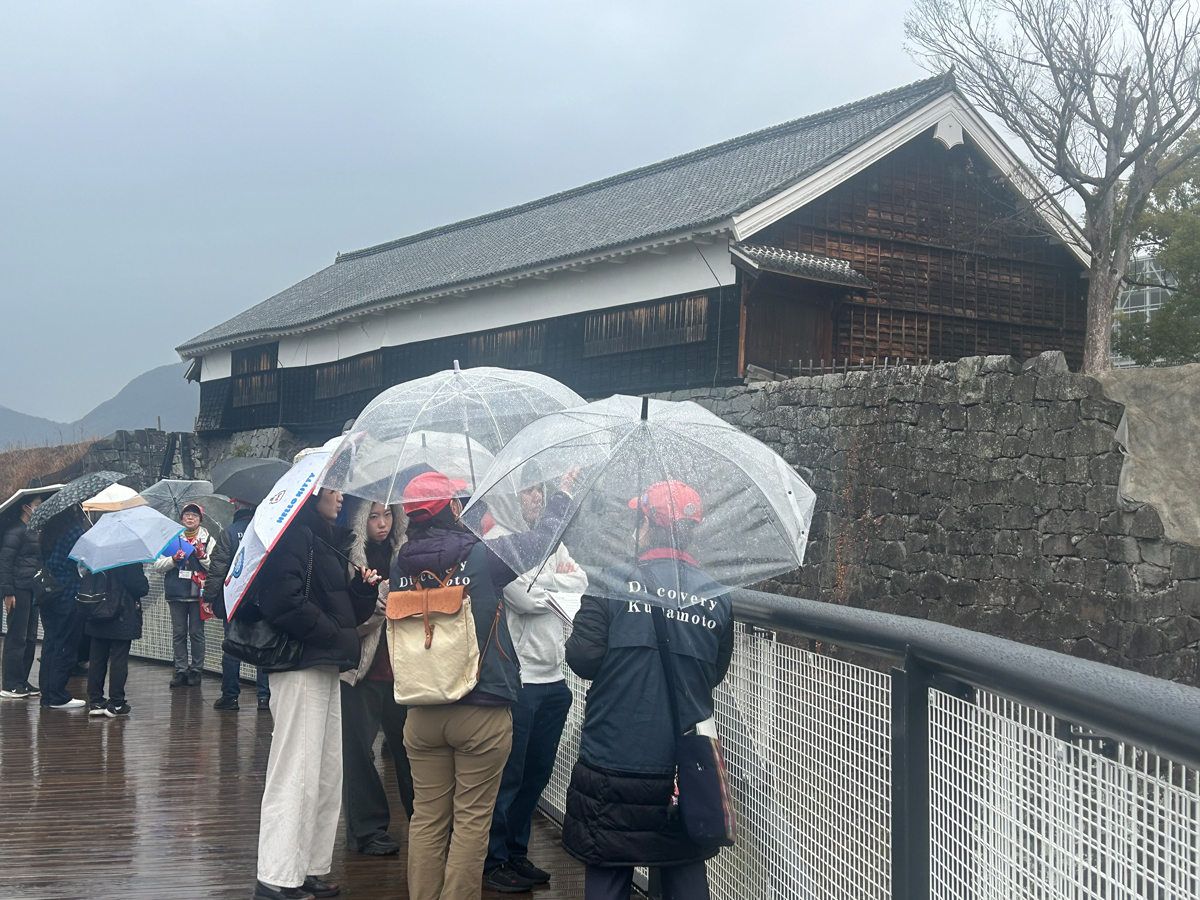
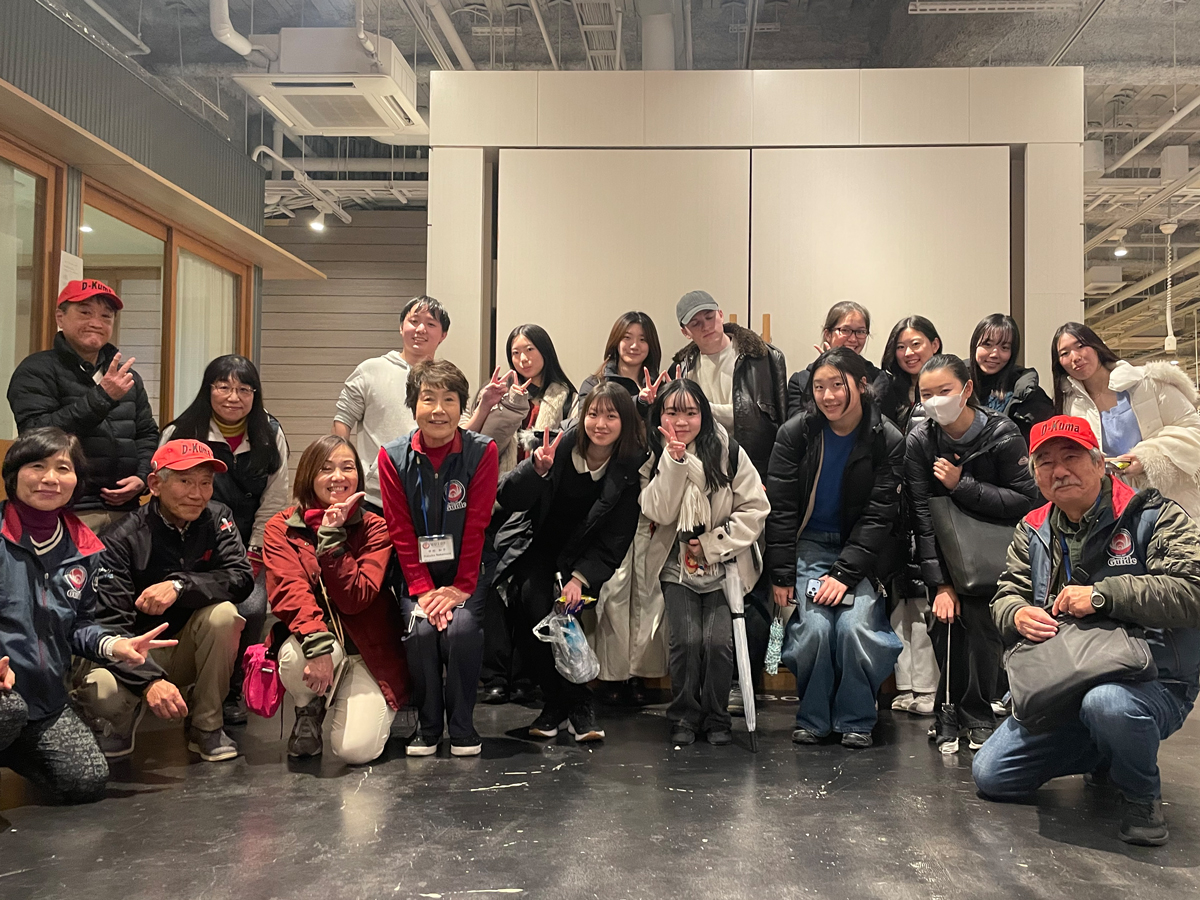
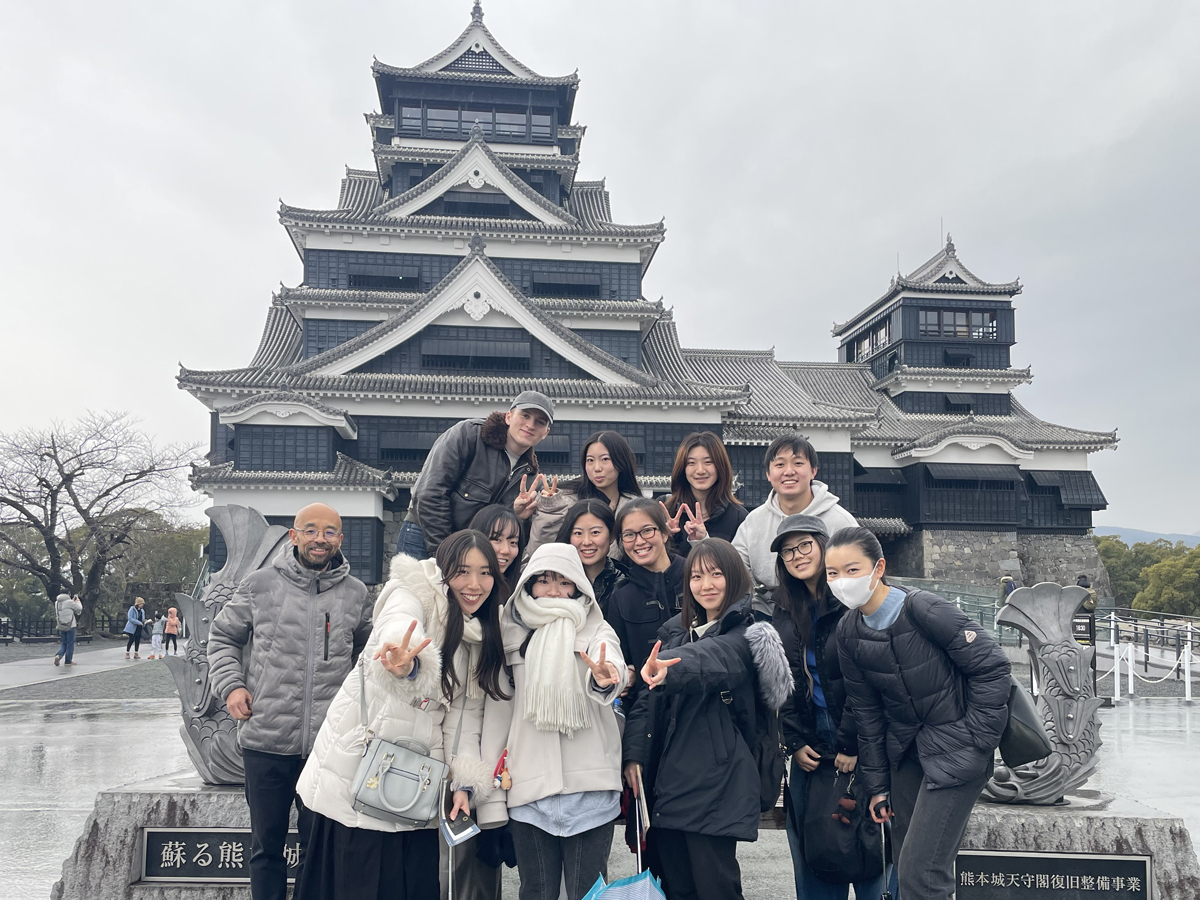
1日目は羽田空港から空路熊本に向かい予定通り到着した後、熊本市内へ移動し、地元ガイドの案内のもと熊本城を見学しました。2016年4月に発生した熊本地震から今年で10年。着実に復旧工事は進んでいるものの、まだ今後数十年にわたり続く工事の説明や熊本城の歴史について英語で説明を受けました。見学後、感想などを皆で共有しました。
On the first day, we arrived in Kumamoto from Haneda Airport as scheduled. After heading to the city center, we visited Kumamoto Castle under the guidance of local guides.
This year marks the 10th anniversary of the April 2016 Kumamoto Earthquake. While restoration is steadily progressing, the students received an English-language tour covering the castle's history and the ongoing recovery efforts expected to span several decades. Following the tour, they shared their reflections and insights with one another.
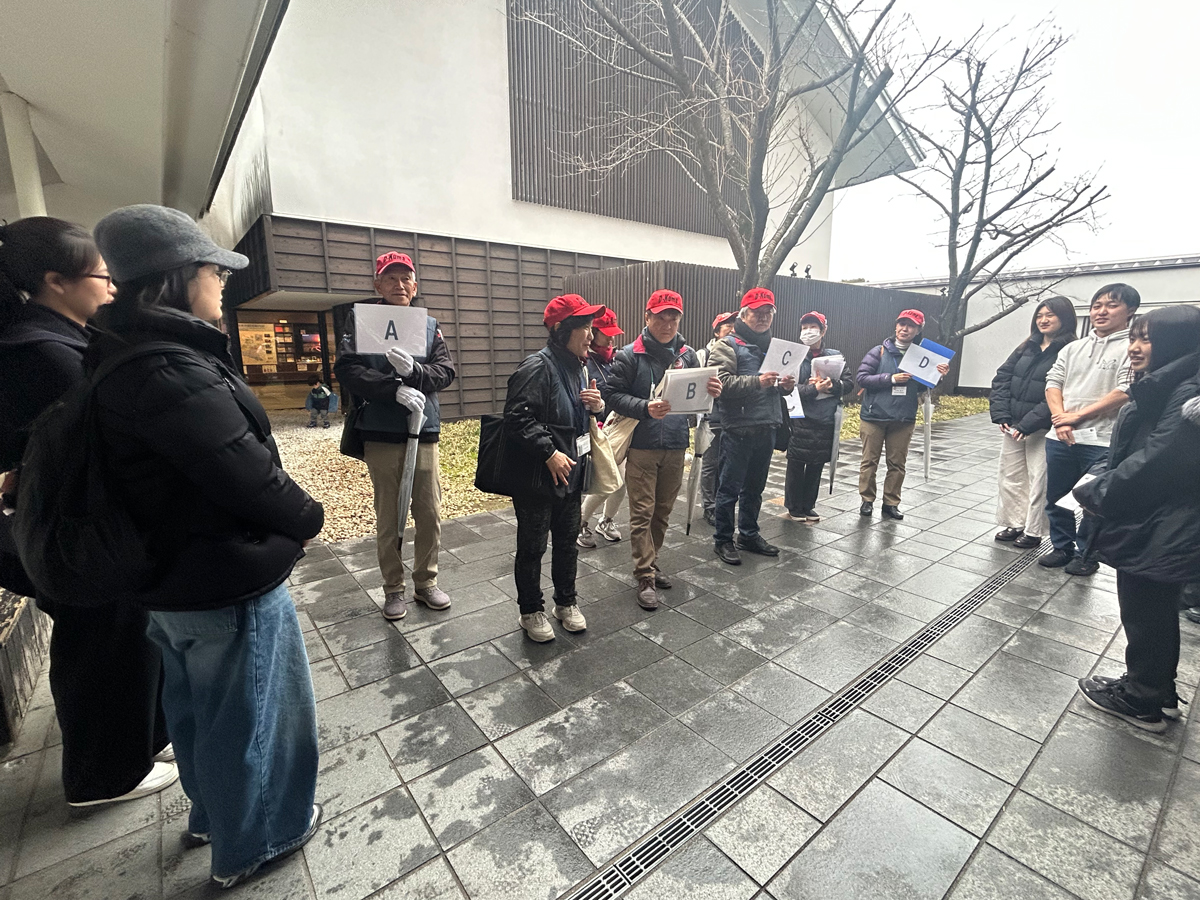
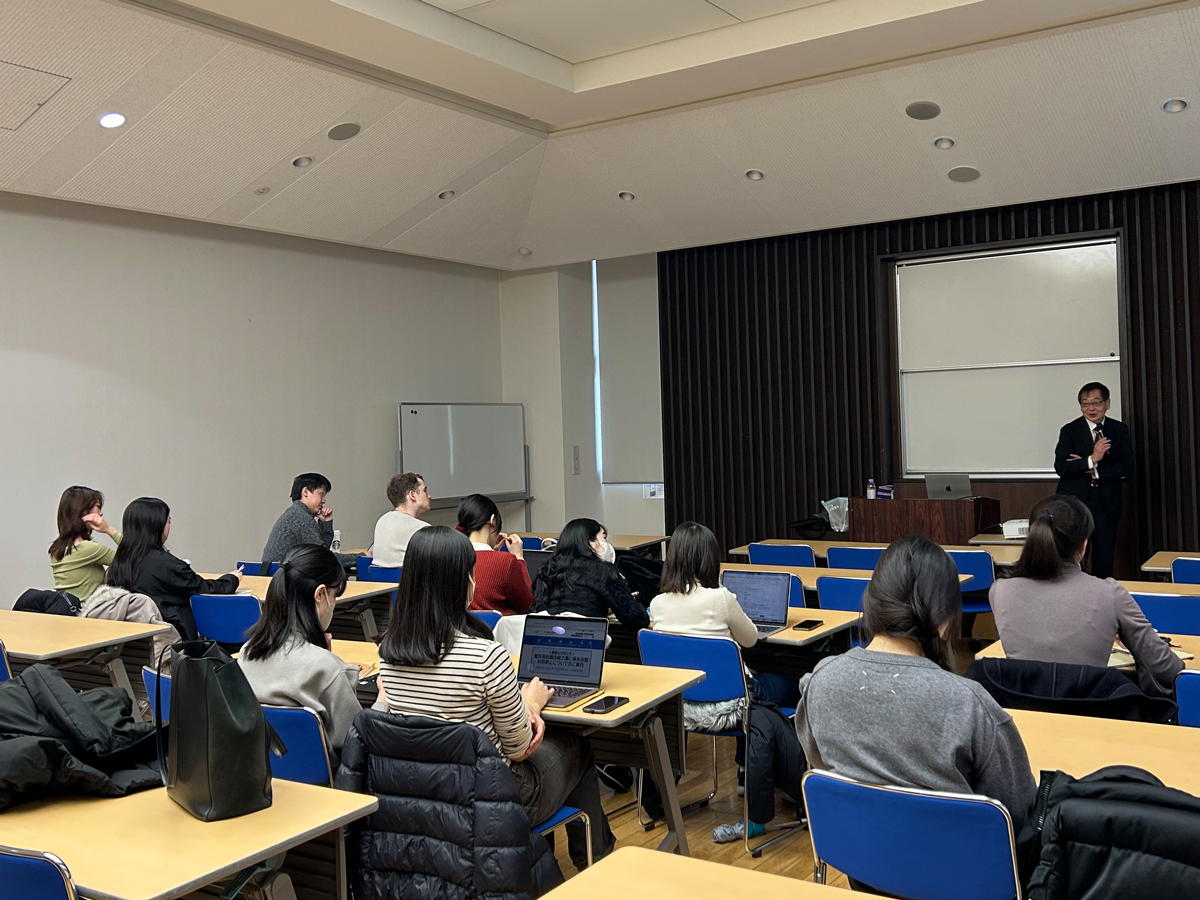
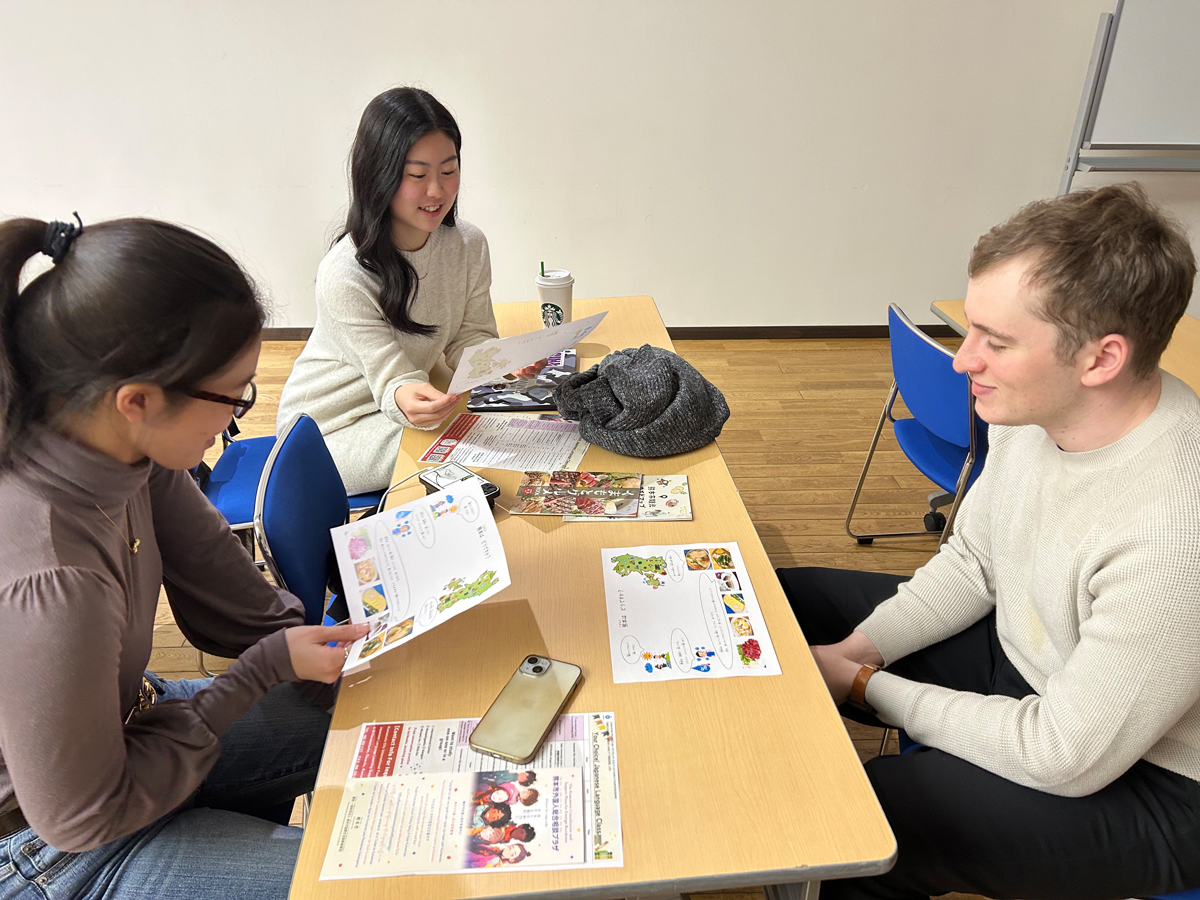
2日目は終日、熊本市内の施設にて研修を行いました。午前中は熊本市国際交流振興事業団 八木常務理事より日本の多文化共生施策と熊本地震概要に関する講義を受け、その後、定期的に市内の施設にて行われている熊本市に住む外国人のための日本語教室「くらしのにほんごくらぶ」での活動を実際に体験しました。
On the second day, we spent the entire day at a facility in Kumamoto City.
In the morning, the students attended a lecture delivered by Mr. Yagi, Executive Director of the Kumamoto International Foundation, on Japan’s multicultural coexistence policies and an overview of the 2016 Kumamoto Earthquake.
Following the lecture, they had the opportunity to participate in the activities of the Japanese language class “Kurashi no Nihongo Club,” which is regularly organized for foreign residents living in Kumamoto City.
午後は熊本地震時から熊本に在住している3名の外国人住民(熊本大学の教員および熊本イスラミックセンターのメンバー)を講師に迎え、外国人留学生として生活していた熊本で地震発生時に直面した様々な問題と、それを活かした防災活動グループの立ち上げやその活動内容、少数派である外国人が言語、文化、宗教の違いに直面しながらどのような努力や工夫をしながら日本人と共生しようとしているのかなどの講義を受けました。その後、講師を交えながら講義の内容に関するグループディスカッションを行い、活発な意見交換を行いました。
In the afternoon, we welcomed three foreign residents who have been living in Kumamoto since the time of the earthquake— a faculty member of Kumamoto University and members of the Kumamoto Islamic Center — as guest speakers.
They spoke about the various challenges they faced at the time of the earthquake while living in Kumamoto as international students, as well as their efforts to establish a disaster prevention group based on those experiences and the activities they have since undertaken. They also shared insights into how foreign residents, as a minority community, strive to coexist with Japanese society while navigating differences in language, culture, and religion.
Following the lecture, the participants engaged in group discussions with the guest speakers, exchanging ideas actively and reflecting on the topics addressed.
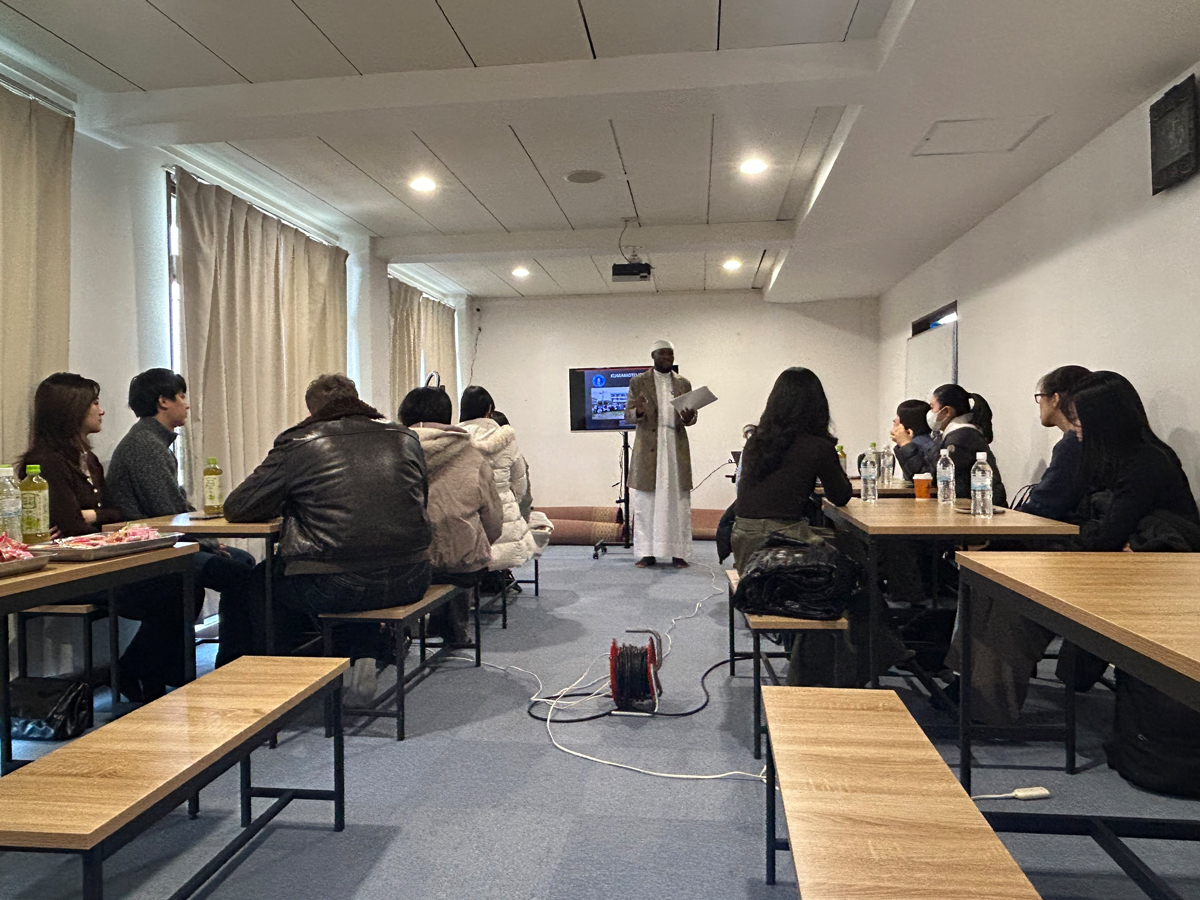
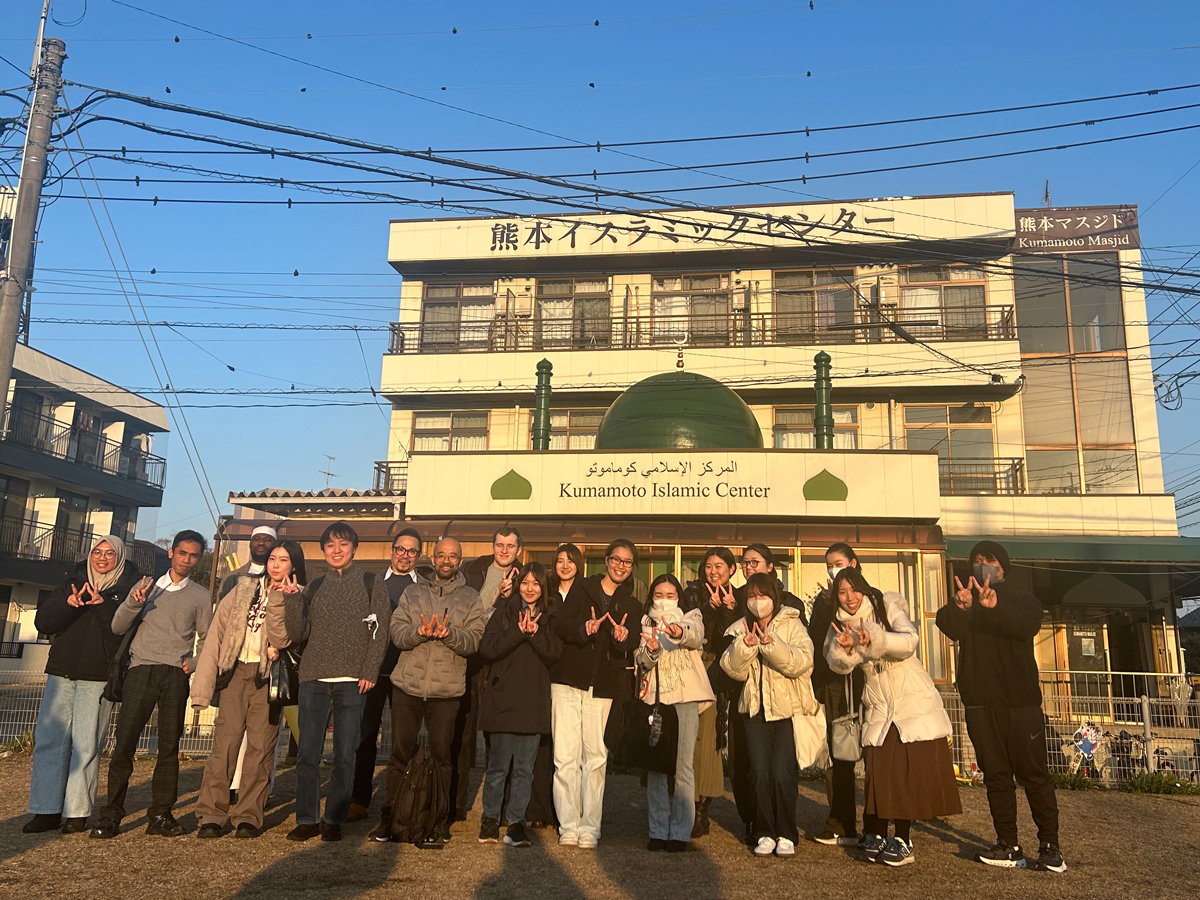
3日目は熊本イスラミックセンターを訪問しました。はじめに指導者(イマーム)よりイスラム教の概要についてご説明いただきました。その後、2日目の講師でもあるイスラミックセンターのメンバーから、熊本市におけるセンターの役割や、熊本地震発生時の地域コミュニティとの関わり、さらにイスラム教徒が日本で生活する中で感じる難しさなどについて、具体的な事例を交えながらお話しいただきました。また、1日5回行われる礼拝の時間には、実際にモスク内でお祈りの様子を見学しました。学生からは、礼拝の作法やその意味について多くの質問が寄せられました。
On the third day, we visited the Kumamoto Islamic Center. We first received an introduction to Islam from the Imam, who explained the basic beliefs and practices of the religion. We then heard from members of the Center — including one of the speakers from the previous day — about the Center’s role in Kumamoto City, its engagement with the local community during the Kumamoto earthquake, and the challenges Muslims sometimes face living in Japan. They shared concrete examples from their own experiences, which gave students a deeper understanding of life as a religious minority in Japan. During one of the five daily prayer times, we were invited to observe the prayers inside the mosque. Many students asked thoughtful questions about the meaning and customs of the prayer rituals, making it a valuable opportunity for cross-cultural learning.
午後は、熊本大学に留学中の3名のイスラム教徒の学生が加わりました。
それぞれ、日本に留学した目的や今後の目標、イスラム教徒として日本で生活する中で感じたことや体験したこと、自国との違いなどについてお話しいただき、その後GLFP生とグループディスカッションを行いました。年齢、性別、国籍、宗教の異なる人々が集い、さまざまな意見を交わす機会を通して、参加者にとって視野をさらに広げる有意義な時間となりました。
In the afternoon, three Muslim students currently studying at Kumamoto University joined the program.
Each student spoke about their reasons for studying in Japan, their future goals, and their experiences living in Japan as Muslims, including the differences they have noticed compared to their home countries. After their presentations, they took part in small-group discussions with the GLFP students.
Bringing together people of different ages, genders, nationalities, and religious backgrounds, the session provided a meaningful opportunity for open dialogue. Through the exchange of diverse perspectives, they were able to broaden their views and deepen their understanding of one another.
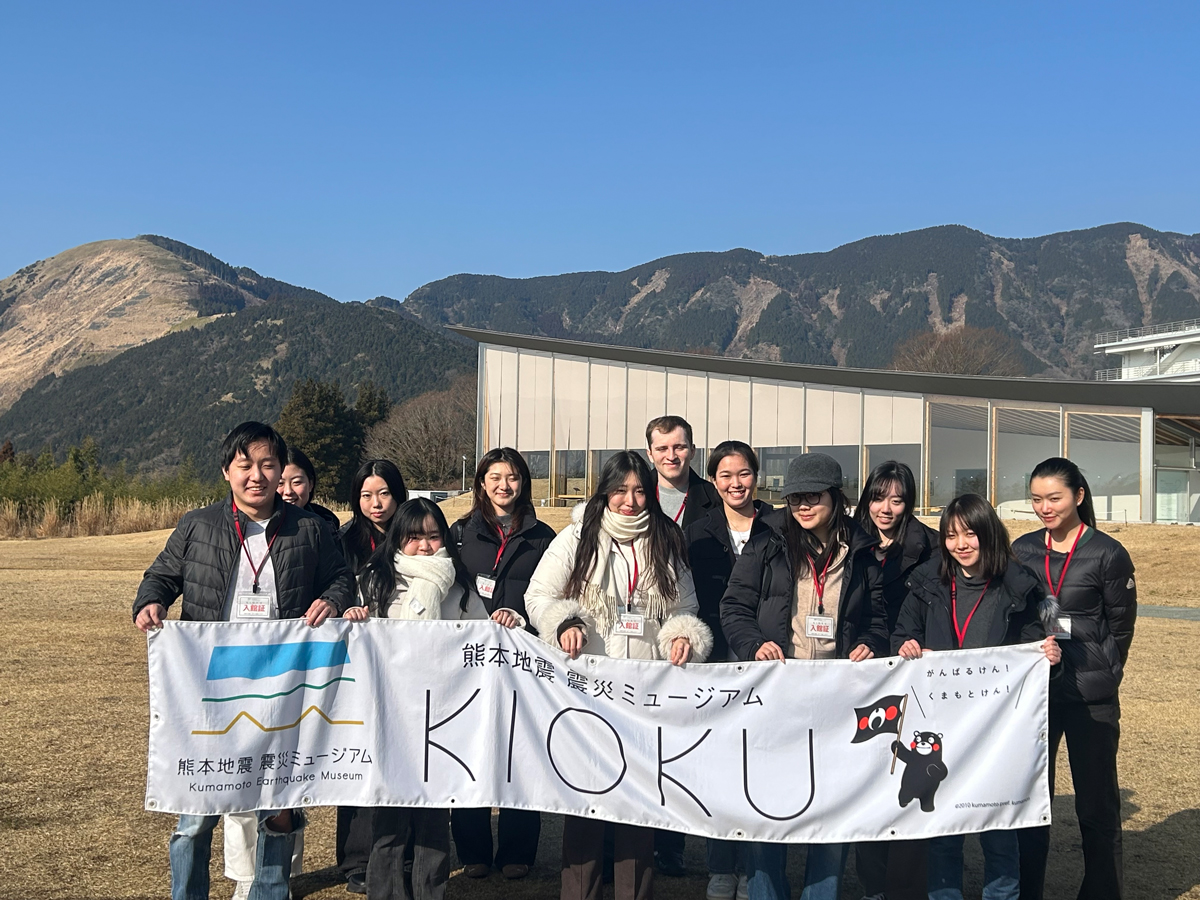
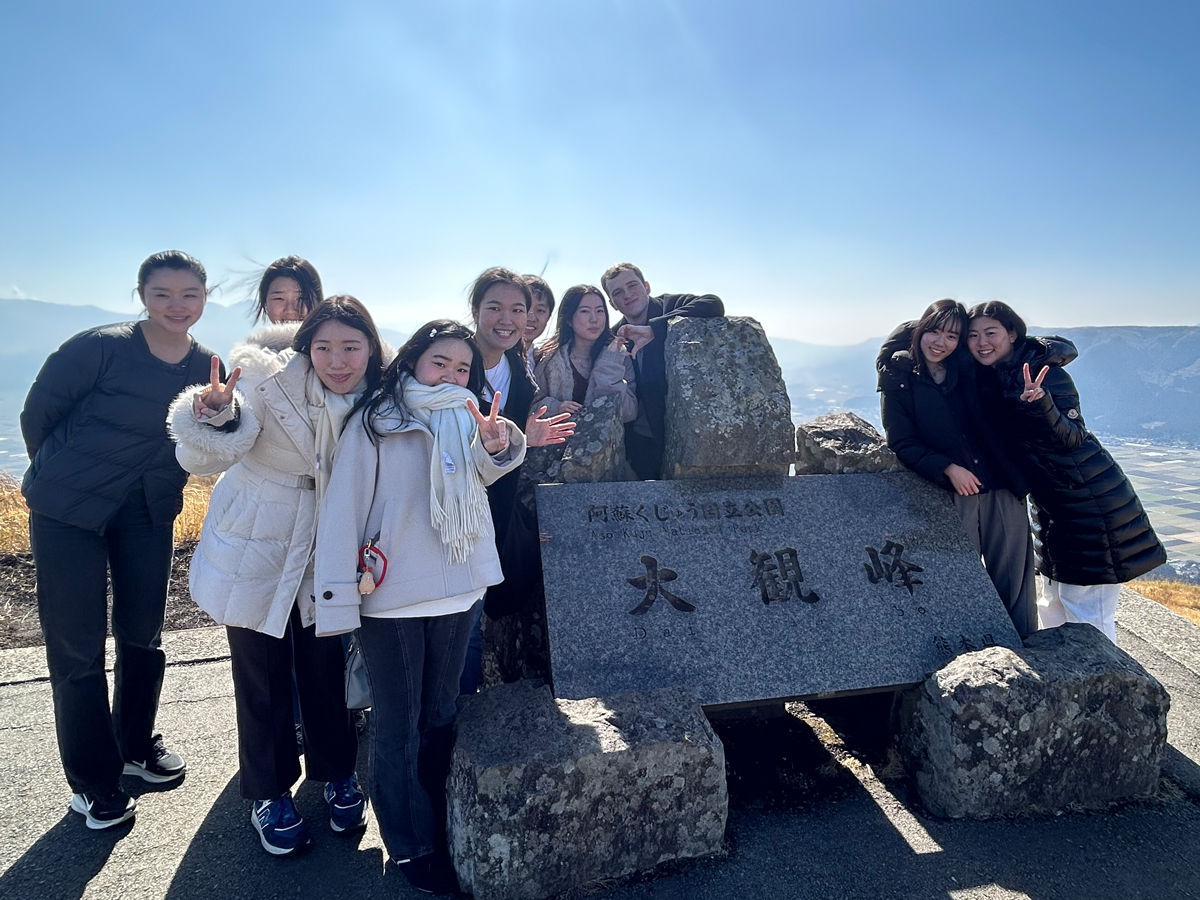
最終日となる4日目は午前中に南阿蘇村にある熊本地震 震災ミュージアムを訪れ、午後には帰京の途につきました。
On the final (fourth) day, we visited the Kumamoto Earthquake Disaster Museum in Minami-Aso Village in the morning before returning to Tokyo in the afternoon.
4日間を通して、東京での生活だけではなかなか得られない視点から多文化共生について改めて考える貴重な機会となりました。今後グローバル社会で活躍するために必要な視野や素養を、さらに広げることができたのではないでしょうか。また、熊本の豊かな自然や復興に向けた力強い歩み、そして人々の優しさや親しみやすさにも触れることができ、充実した4日間となりました。
Over the four days, the program offered the students a meaningful opportunity to reconsider multicultural coexistence from perspectives beyond those gained in daily life in Tokyo. It also helped expand the global outlook and competencies essential for active engagement in today’s global society. In addition, they were able to appreciate Kumamoto’s natural beauty, the resilience demonstrated in its recovery process, and the kindness and approachability of its people, making the program a truly enriching experience.